No one expects historical fiction to be completely accurate. Or at least, they shouldn’t.
But the ‘Spanish Princess’, now in its second season, has crossed a line.
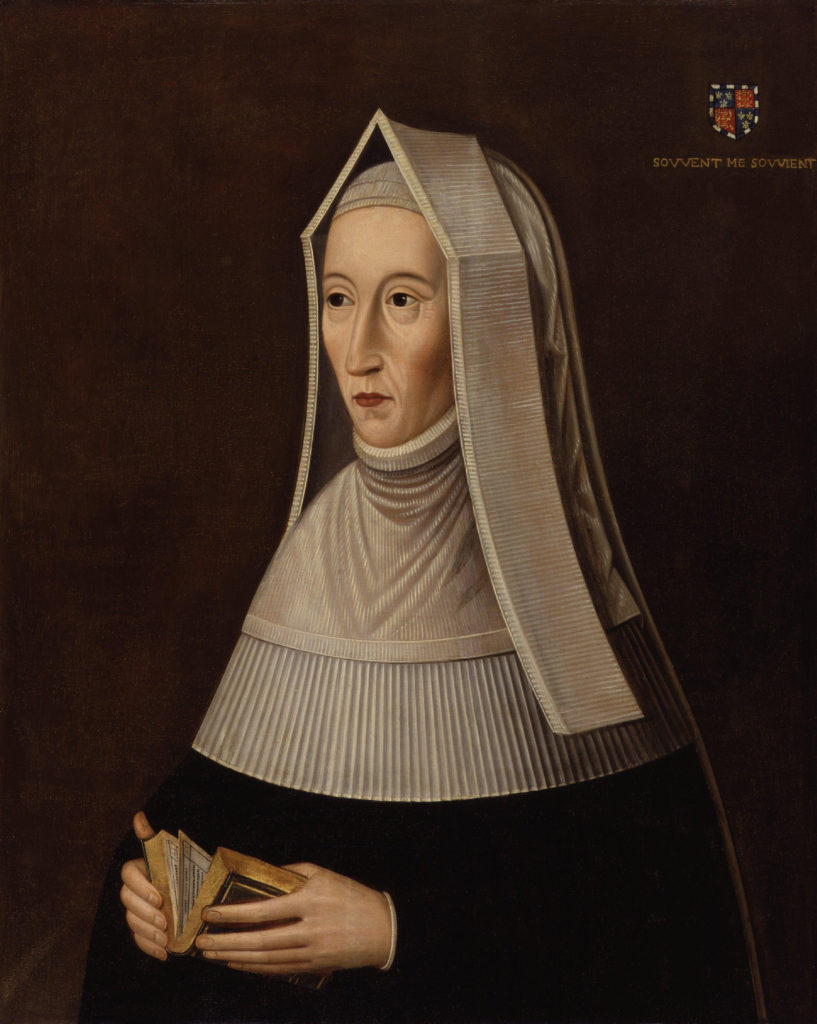
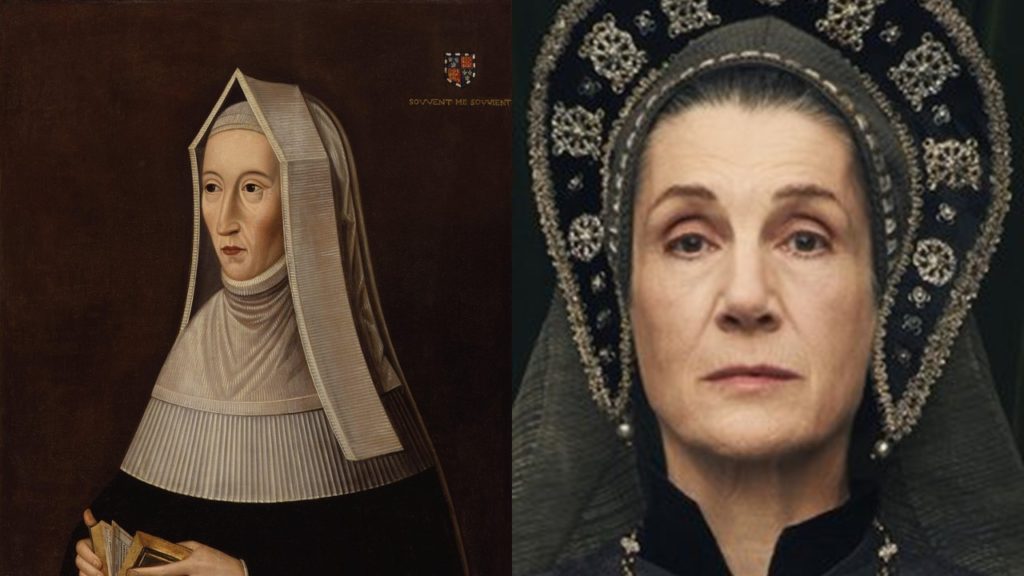
Margaret Beaufort, mother of Henry VII and grandmother of Henry VIII, is one of England’s most fascinating figures. In her own time she was revered and respected. Those that have really studied her are fascinated by her courage, conviction and compassion. But historical fiction continues to muddy her name.
In both ‘the White Queen’ and the ‘White Princess’ – the predecessors to the ‘Spanish Princess’ – she is presented unfavourably. I don’t agree with either presentation. But I recognise that script writers must be allowed to make creative choices.
But in the ‘Spanish Princess’ it has reached new levels. Margaret is depicted as the pantomime baddie, the orchestrator of every horrible event. This is not just a case of rearranging events to fit the narrative. They have placed her at the heart of crimes that we can prove she had nothing to do with.
Here are just five of the most noteworthy distortions.
- Margaret served as regent while Henry VII was in mourning
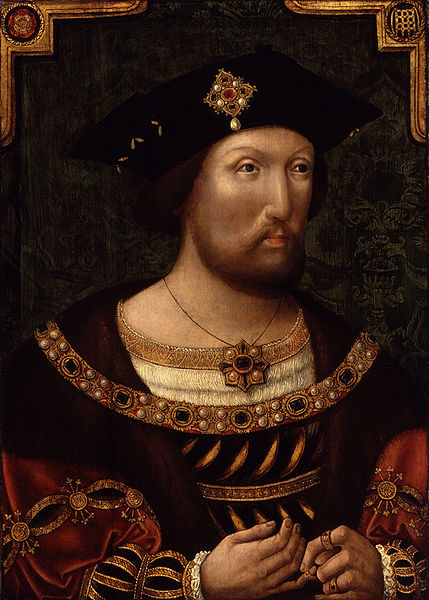
In the series, Henry falls into a deep mourning when his wife Elizabeth of York unexpectedly dies after childbirth. This is true enough. But in the series, Margaret assumes the role of regent and takes control of the government.
Margaret never served as regent during her son’s reign. While the King was struck by grief, the reaction of this already-secretive man was to draw further into himself. He took an even more obsessive grip on government. To let anyone else, including his mother, rule for him, would have been anathema to his style of kingship.
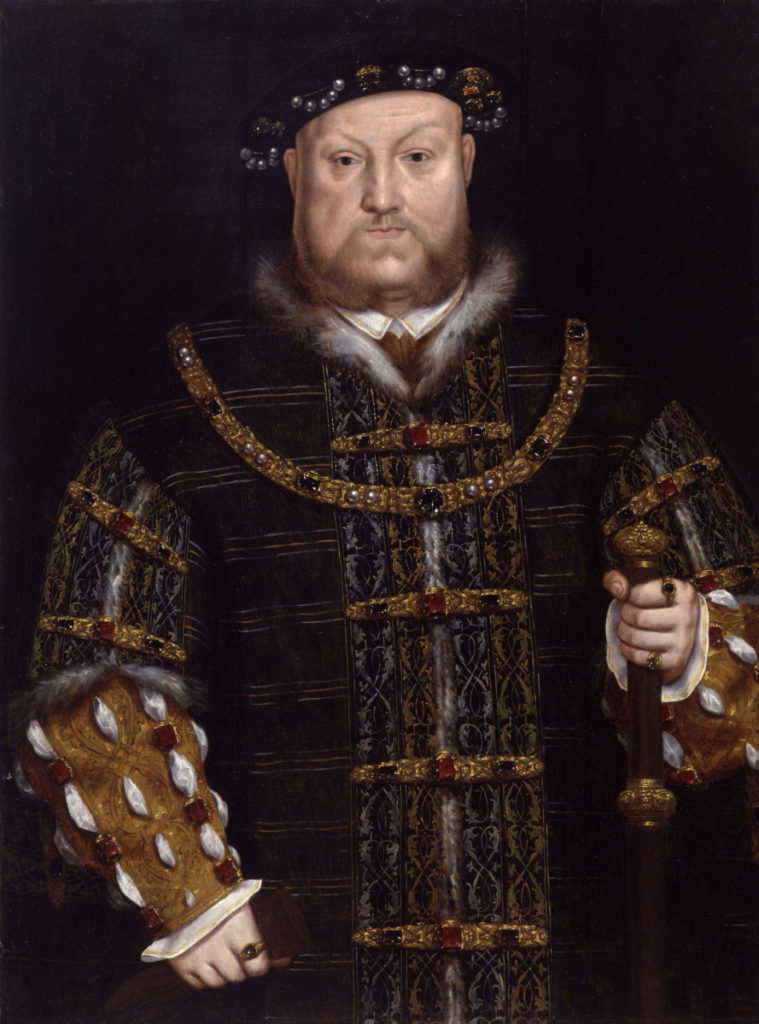
When her son died, Margaret did serve as an unofficial regent for her grandson, Henry VIII. But this really was just a bit of ‘transitional support’. He was, after all, only a few weeks shy of his 18th birthday.
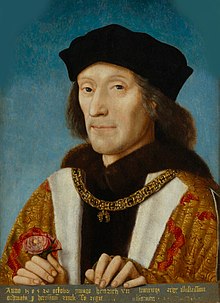
2. Margaret ruled England through her son
Even when not acting as regent in the Spanish Princess, Margaret always seems to take charge. She is constantly at court, issuing orders and inflicting trials and tribulations on the Kingdom.
How odd.
As I’ve hinted above, Henry VII had a famously controlling style of Kingship. He did not surrender power to others. While Margaret was at court a great deal in the early days of the reign, as her son and daughter-in-law became more established, she spent far less time in their presence. She established a great house in Collyweston, in Northamptonshire, where she resided over a great household with splendour. The King did trust Margaret, and she was given special authority to administer justice in the north.
But she was not constantly at his side. She did not rule England through him.
3. She had some kind of feud with Margaret Pole
We know little of the relationship between the two Margarets. In the very early days of Tudor reign, Margaret Beaufort had some responsibility for Edward, Earl of Warwick, brother of Margaret of Clarence.
At this stage, the boy represented a potential threat to Henry’s throne and it was important to keep a close eye on him. Having literally just set foot on English soil for the first time in 12 years, Henry had few people he could trust. He naturally turned to his mother. Soon after, new arrangements were found for the young Earl.
It is likely that Margaret Beaufort played a role in coordinating the marriage of the younger Margaret. Richard Pole was Margaret Beaufort’s nephew. Given the importance of Margaret of Clarence’s Plantagenet blood, Henry VII would have wanted her married to a man she could trust.
In the TV series, Margaret Pole is depicted as falling into penury because of taxes inflicted by the King’s mother. Pole did experience financial hardship after her husband’s death as her resources were limited. But she did not suffer the level of poverty depicted in the show. Nor was it anything to do with Margaret Beaufort.
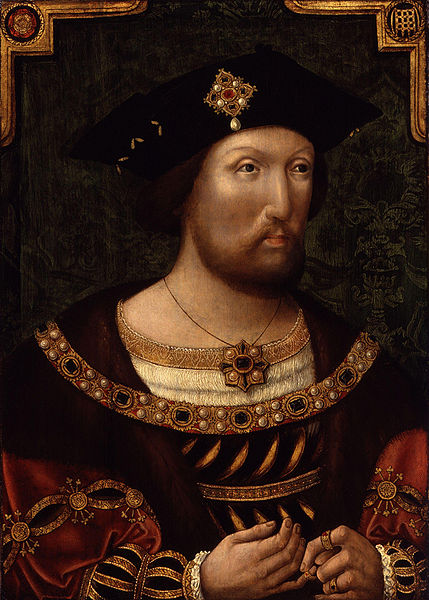
4. Margaret was a champion of Empson and Dudley and a savage financial regime
In the series, Margaret (during her fictitious period as ‘regent’) brings a man into the council and introduces him as Edmund Dudley. She describes how he is going to help them fill the coffers. Together, they proceed to unleash a savage tax regime on the poor people of England.
It is true that Henry VII became very strict with fines and financial penalties in the last years of his reign (though these were effectively taxes on the super-rich so let’s not let our sympathies get too carried away). It is also true that Edmund Dudley, along with another advisor called Richard Empson, were widely blamed for the initiatives. But there’s no reason to link Margaret Beaufort to these reforms. And there’s every reason not to.
Like many of the wealthy, she found herself on the receiving end of Dudley’s judgements. And, it was when she did actually have some unofficial oversight of the government, in the very early weeks of her grandson’s reign, that the decision to punish these two men (who were soon executed) was taken.
5. Margaret casually dispatched her granddaughters into child marriages
This one really stung.
In one episode, Margaret speaks with her granddaughter, Princess Mary who has been pledged in marriage to Charles V, Katherine of Aragon’s nephew. In the scene, Mary is clearly a little girl. Margaret informs her that she was about the same age when she first married. There was, she says sinisterly, ‘nothing to fear.’
This is the exact opposite of what happened in real life. When her elder granddaughter, Princess Margaret, had been pledged to marry the King of Scots at just nine years of age, the original plan had been to send her north of the border straight away. But Margaret, no doubt drawing on her own experiences as a child bride, intervened. Along with her daughter-in-law, Elizabeth of York, she persuaded Henry VII that Margaret was too young to live as a wife. Her husband, Margaret warned, would not wait. He would consummate the marriage straight away. The young princess would be hurt.
This shows Margaret as a caring grandmother. It also casts light on her reflections of her own brutal child marriage. Yet, for reasons of their own, the writers of the ‘Spanish Princess’ decided to turn this story on its head. They present Margaret as a woman who raised her granddaughters like lambs for the slaughter. I’m not sure I can ever forgive that.
*
I don’t mean to spoil anyone’s fun. There are probably some brilliant parts of the Spanish Princess that I’m too annoyed to see. But this continual character assassination of Margaret Beaufort cannot continue to go unchallenged.
I’m not asking you not to watch it. I’m actually going to do my level best to finish the series. But I would ask that you don’t base your opinion of Margaret on it. Or any fictional portrayal.
There are some really good factual accounts of Margaret’s life. Two in particular are both informative and accessible:
‘Uncrowned Queen’ – the most recent biography of Margaret Beaufort, by Nicola Tallis.
‘Margaret Beaufort: mother of the Tudor dynasty’, by Elizabeth Norton.
Subscribe to our newsletter!