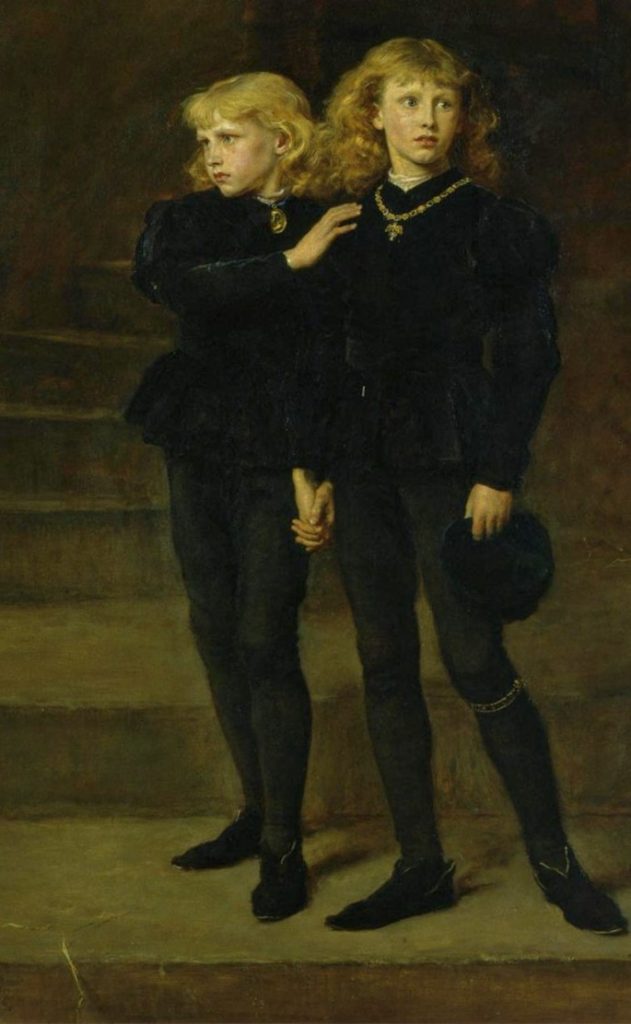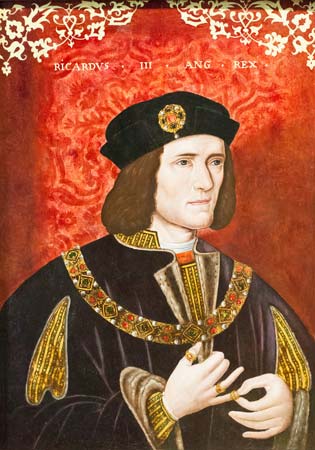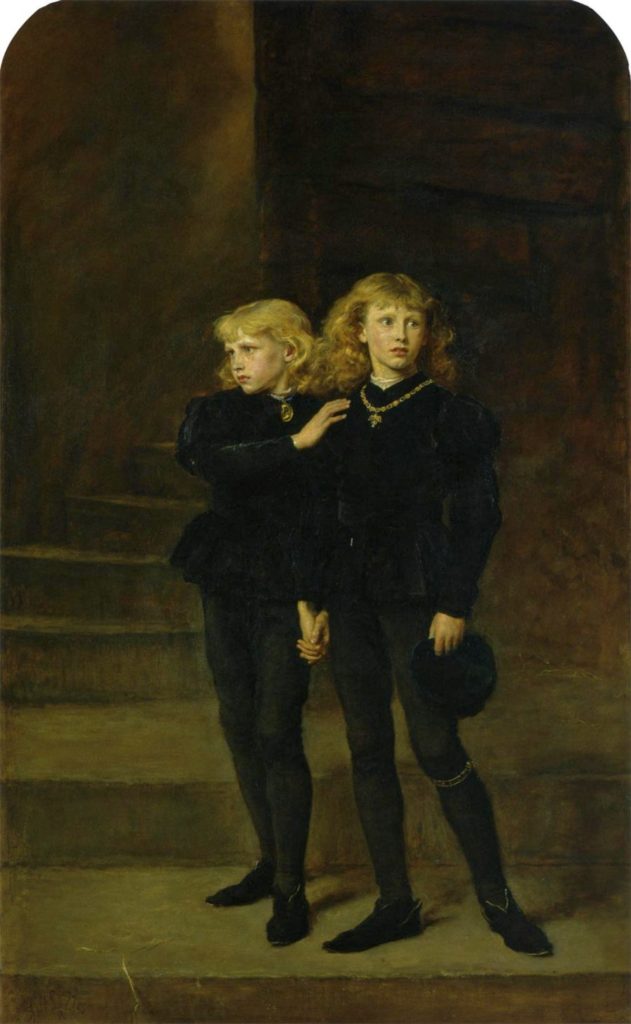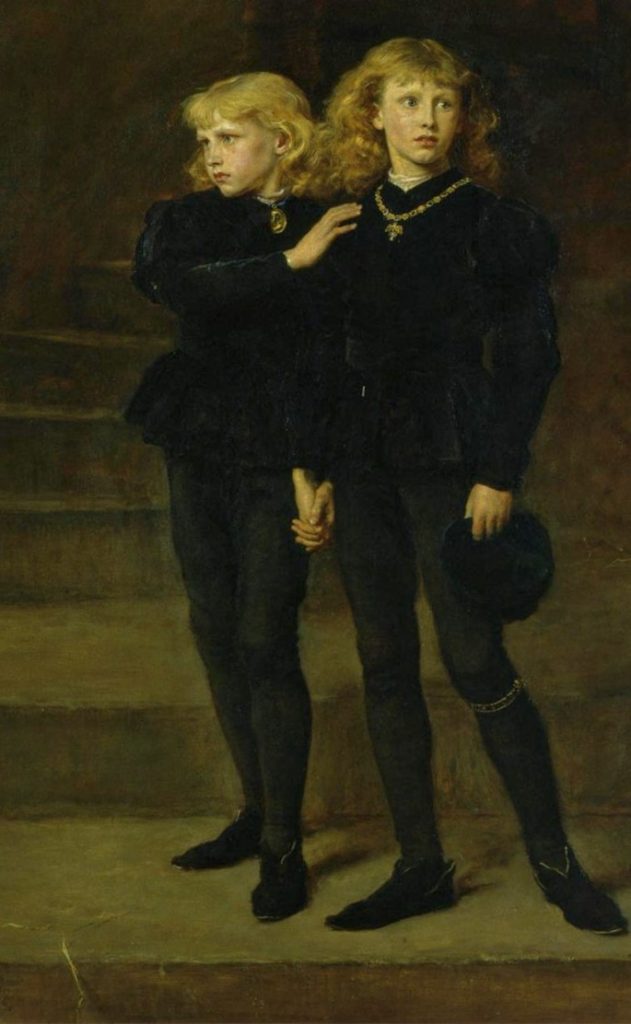
About seven years ago I started properly thinking about who killed the Princes in the Tower. I had no bias toward or against any candidate. But I quickly decided that Richard was the most likely perpetrator.
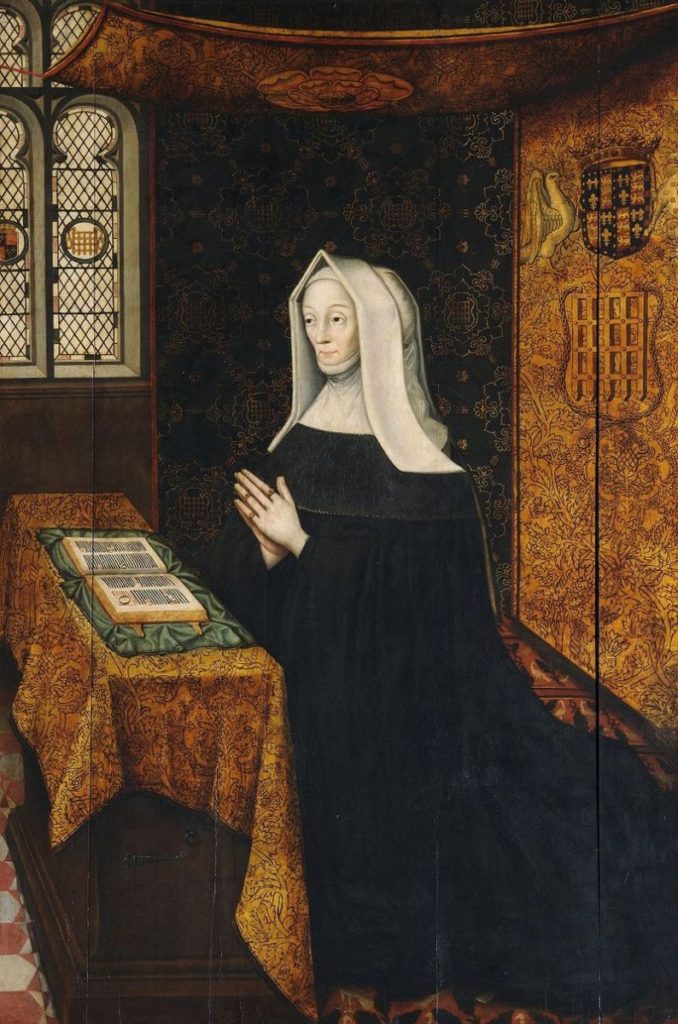
Four years ago I started blogging about my obsession and engaging with other Royal History Geeks online. I learnt how many people held Margaret Beaufort, mother of Henry VII, responsible for the murder of Edward V and his brother, Richard, Duke of York. The Tudor matriarch had never emerged as a meaningful candidate in the books and primary sources I had studied. I was soon to learn that social media follows a different set of rules to scholars.
When it comes to history, we are all entitled to our own opinions. But are we entitled to our own facts? The people we are talking about really lived. Should we make claims about their misbehaviour without robust evidence? We surely wouldn’t if these were people we actually knew.
When it comes to historical fiction, I understand that license must be taken. History is about recognising different perspectives and understanding motivations in their context. Stories must feature heroes and villains. But where things have to be invented in order to make these narratives flow, authors should be clear about what they have done.
There are a host of reasons why a link between Margaret Beaufort and the death of the Princes in the Tower should be discounted. Here are just six of them.
- She didn’t have access
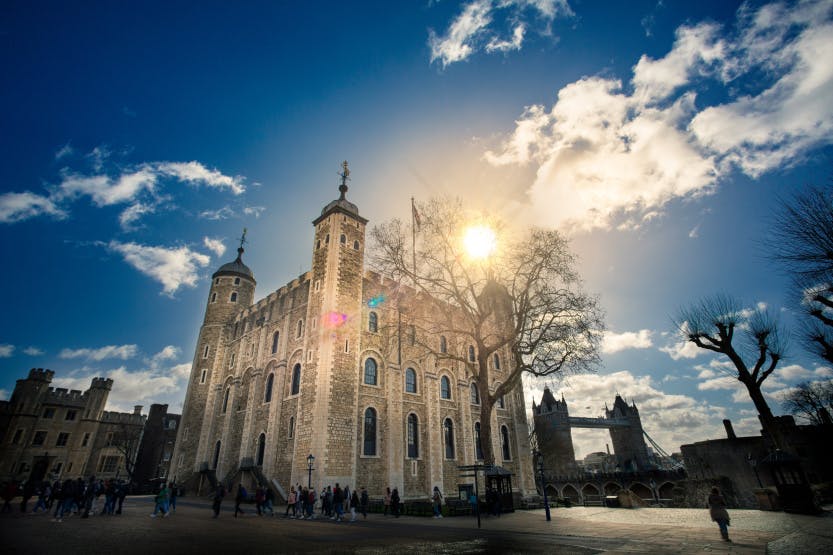
Before we go any further, we have to acknowledge the level of security around the Princes after Richard got his hands on both of them. He had the Princes in a high-security prison within the Tower of London. This claim is relatively uncontroversial. We can be clear on it without relying on the Tudor sources which many find so sinister.
Mancini, the Italian writer visiting London, tells us that “all the attendants who had waited upon the King [Edward V] were debarred access to him. He and his brother were withdrawn into the inner departments of the Tower proper, and day by day began to be seen more rarely behind the bars and windows, till at length they ceased to appear altogether.”
The Croyland Chronicle recounts that the Princes were put in the custody of “certain persons appointed to that purpose.” They would have been men Richard trusted greatly.
Assuming that the boys died in 1483, how would Margaret or an agent acting on her behalf have gained access to them?
2. Her husband didn’t have access
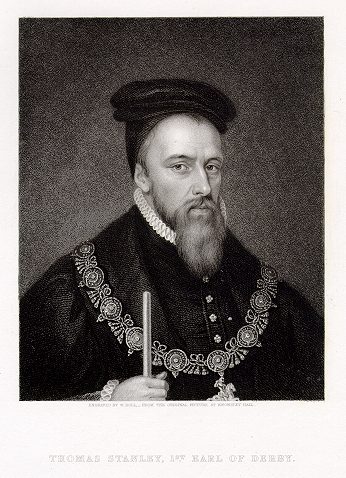
Margaret is often thought to have a co-conspirator in the form of her husband, Thomas, Lord Stanley. Proponents of this theory point out that he was the Constable of England. Surely that position would have helped him get near to the boys, wouldn’t it?
Stanley, however, was not appointed Constable of England until after the Princes were probably dead. And even if they were still alive, there is nothing to suggest that this office would have granted him proximity to them. As we have seen, the boys were not simply roaming around the tower. They had been withdrawn to an inner apartment and guarded by men close to Richard.
Stanley was not part of Richard’s inner circle. While he had been appointed to high office, this reflects that Richard needed to ensure he kept a major regional power broker on side as his reign became fractious. Bestowing such an office did not necessarily convey trust. For example, George Duke of Clarence held the similar office of Lord High Steward during a time that he was at loggerheads with his brother, Edward IV.
3. Margaret had nothing to offer Richard’s guards
No one’s loyalty can be guaranteed. It is sometimes said that, while the Princes were guarded by Richard’s most trusted men, perhaps Margaret could have bribed them. She was, after all, rather wealthy.
I’ve written elsewhere about the wealth of Margaret Beaufort. It was certainly substantial. But it was not enough to make her a major power broker of the realm. And what could she possibly have offered these men which would have been superior to the benefits that service to the king could bring? Besides, these men knew that if they let anything happen to the king’s nephews, under the orders of anyone but Richard, they would answer for it with their heads.
4. Richard never accused Margaret or Stanley of it
In the highly unlikely event that Margaret had gained access to the Princes and had them killed, Richard would have found out about it straight away. Wouldn’t this have been a dream come true for the king? His biggest rivals would have been eliminated. Yet, there wouldn’t have been a trace of blood on his hands. He could pin the blame on Margaret and Stanley.
5. It’s not clear that Margaret even had a motive
Once it was believed the Princes were dead, those loyal to Edward IV searched for a new champion. Margaret’s son, Henry Tudor was the man they eventually turned their attention to – on the condition that he would marry Elizabeth of York, sister of the Princes. But could such an eventuality really have been predicted? People could just have easily turned to the young earl of Warwick, the Duke of Buckingham or anyone who was free to marry Elizabeth.
To believe that Margaret could have masterminded such as set of circumstances credits her with a greater gift of prophecy than is realistic.
6. After 1485, it wouldn’t have been Margaret giving the orders
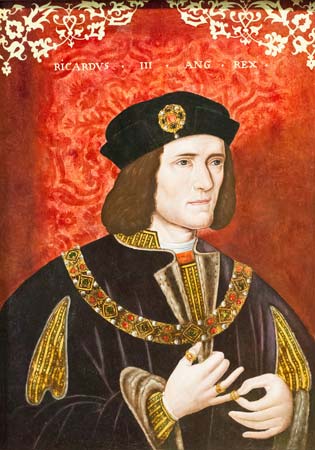
Some speculate that when Henry VII arrived in England, he found the boys in the tower and had them done away with. Was it Margaret that was whispering in his ear and persuading him to do so?
It is highly unlikely that the Princes were still alive in 1485. Had they been, surely Richard would have produced them. Doing so would split the coalition of Lancastrian remnants and Yorkist dissidents that had formed against him. However, if they had survived, and their death was ordered by Henry VII, it seems odd to lay the blame for this at Margaret’s door. Henry would have been the one to give the orders.
It is true that Henry trusted the advice of his mother. This may have been particularly the case in the early weeks of his reign as there were few in England he could trust. But to suggests that he was some kind of puppet King that allowed anyone else to pull the strings misunderstands his entire approach to kingship. Besides, even if killing the Princes was Margaret’s idea, it would have been Henry that gave the order.
Subscribe to our newsletter!