Belgravia – titles explained

The period drama is the best TV to hit our screens this year.  But how do we get our heads around the different aristocratic titles used in the series?

Note: this post contains spoilers.  If you haven’t watched all six episodes yet, do two things.  1) Do not read this post.  2) Book an appointment with a life coach to sort your life out.  You are clearly making bad decisions.

There are probably people who aren’t raving about ITV’s Belgravia.  But I can’t imagine I’d ever speak to those people.

The spectacular production did what period fiction does best.  It granted us escape from the trials of our own world.  It helped us see how much society has changed.  It reminded us that human nature hasn’t.

A few people have asked me about the different styles and titles used in the six-episode epic.  Why is Charles Pope’s grandmother called ‘Lady Brockenhurst’ when his finance is ‘Lady Maria’?  Why is his grandfather a Lord while his grandfather’s brother is not? 

This interest won’t last forever.  I’ll strike while the iron is hot.  Here is a quick guide to the titles and styles wielded by the hit show’s characters.
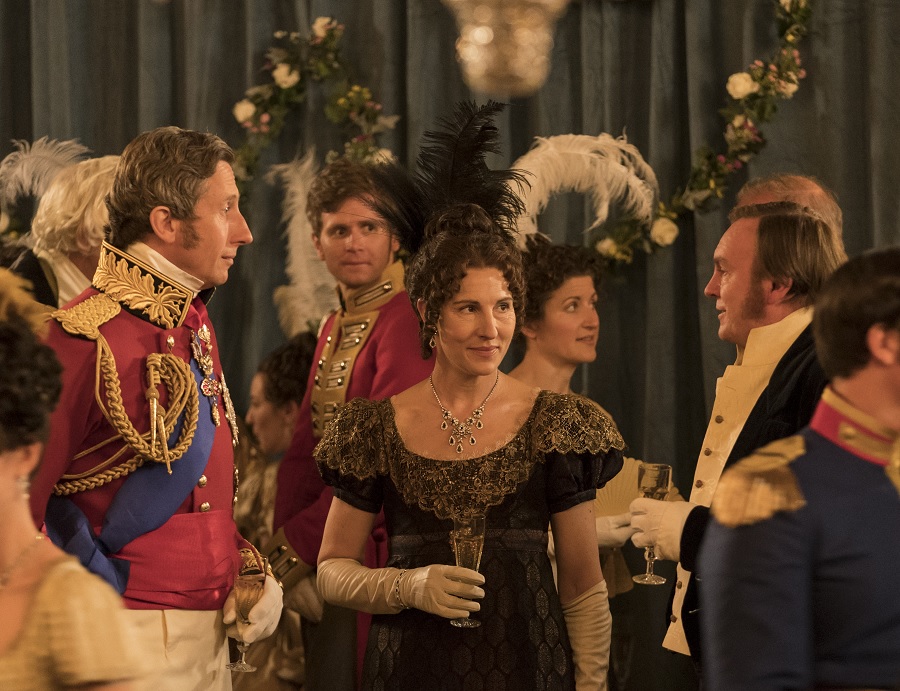
Like the best period dramas, the show allows us to escape from the trials of our own world

Explaining the styles of Belgravia’s titled characters

(Note: I have not included the Dukes of Wellington or Richmond, both real historical figures, who appear only in the first episode.  I have included Edmund Bellasis due to his significance to the series).

Peregrine Bellasis, Earl of Brockenhurst

An earl is the third highest of the five ranks of hereditary peerage.  It ranks below duke and marquess but above viscount and baron. 

The character would be addressed as ‘Lord Brockenhurst’ by people within his social sphere.  Servants would call him ‘my lord.’  Informally, peers may refer to him as ‘Peregrine Brockenhurst.’  His title is thus used as a surname, even though his actual surname is ‘Bellasis.’ 

We can deduce from the series that Peregrine’s full title is Earl of Brockenhust and Viscount Bellasis.  More on this below.

Caroline Bellasis, Countess of Brockenhurst

The wife of an earl is a countess.  People in her social sphere would refer to her as ‘Lady Brockenhurst’.  Servants would address her as ‘my lady.’ 

In the series, Lady Brockenhurst is the daughter of a duke.  As such her precedence was reduced upon marriage.  A duke’s daughter outranks a countess. 

But this is a technicality.  There weren’t many dukes or marquesses around.  The most important thing was marrying into a great landed family.  Even a title wasn’t essential.  The Earl of Brockenhurst would have been seen as a good match.

Edmund Bellasis, Viscount Bellasis

The eldest sons of an earl uses one of his father’s lesser titles (or subsidiary titles) by courtesy during the lifetime of his father.  As such, Edmund is styled as a ‘Viscount’ even though, strictly speaking, he isn’t one.  He can’t attend the House of Lords.  Technically he’s commoner.  But socially he is treated as if he held the rank.  He would generally be addressed as ‘Lord Bellasis.’
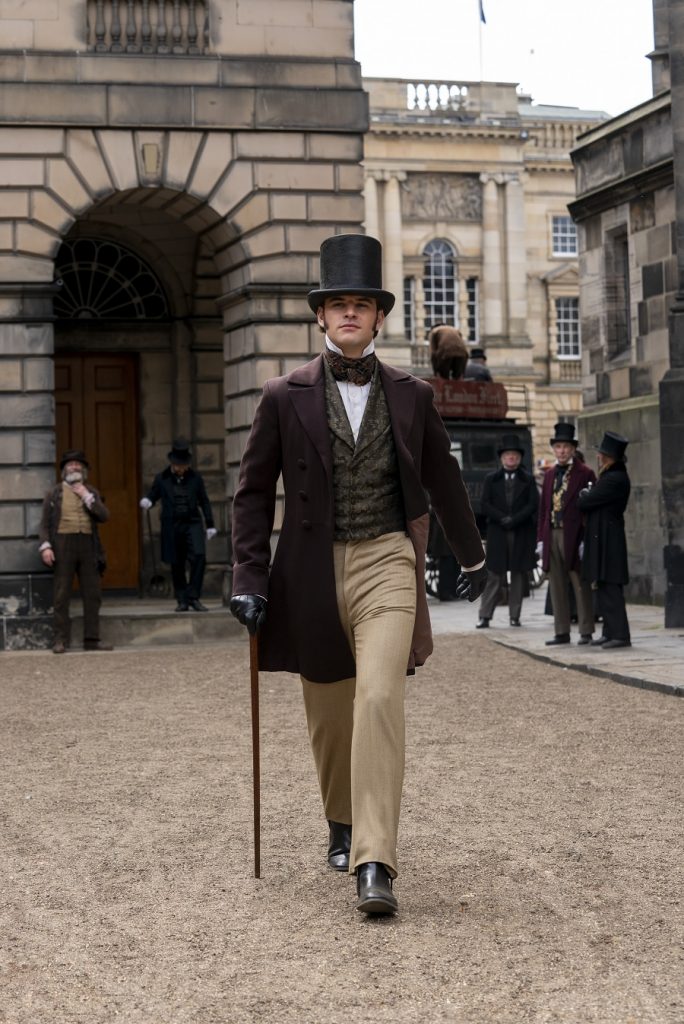
Once acknowledged as heir, Charles Pope would become known as Viscount Bellasis

Charles Pope, Viscount Bellasis

Once recognised as the heir to Lord Brockenhurst, Charles becomes Viscount Bellasis.  This is his father’s second title and the style his father had used. 

Generally, only eldest sons use their father’s subsidiary title (see above).  But because his father is dead, Charles is the heir apparent to the earldom.  He can use the title because the only thing that will prevent him inheriting is if he predeceased his grandfather.

It’s worth noting that even though Charles’s surname is Pope, he could not style himself ‘Viscount Pope.’  Specific titles are created and inherited. You don’t just inherit a rank which can be moulded around your name.

The Hon. Rev. Stephen Bellasis

As a younger son of an Earl, the character is ‘the Honourable Stephen Bellasis.’  Because he is a vicar, he can add ‘Rev’ or ‘Rev’d’ to his style. 

The style of honourable (which is also wielded by the children of viscounts and barons) is only used when referring to an individual.  For example, if one were inviting the character to a social occasion (and if you are, I’d watch your valuables) the envelope would be addressed to ‘The Hon. Rev. Stephen Bellasis.’  However, you would begin the letter ‘Dear Mr Bellasis’ or ‘Dear Rev Bellasis.’

For most of the series, Stephen is the heir to the Earldom of Brockenhurst.  However, he can’t use the title ‘Viscount Bellasis.’  He is not the heir apparent but the heir presumptive. At any stage he could be displaced if his brother had a son.  While this may have seemed unlikely, it remained a theoretical possibility.
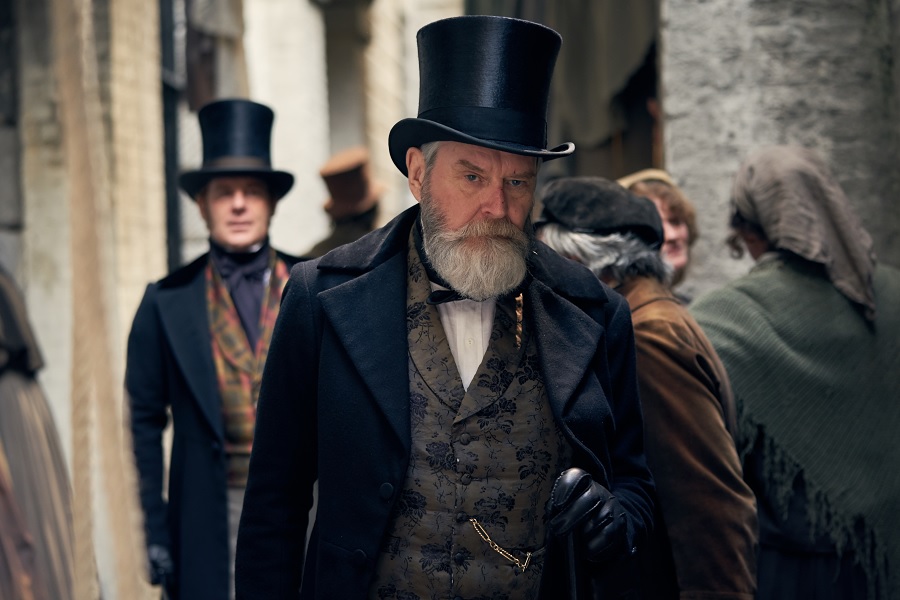
Wayward Stephen Bellasis was heir presumptive to the earldom of Brockenhurst for most of the series

The Hon. Mrs Bellasis

The long-suffering wife of Stephen enjoys the style of ‘honourable’ by dint of marriage.  She is ‘the Hon. Mrs Bellasis’ and never ‘the Hon. Grace Bellasis.’  If you met her, you would simply address her as ‘Mrs Bellasis.’  When referring to her or introducing her, you would correctly use the full style.

The (Dowager) Duchess of Richmond

A Duchess is the wife of a Duke, the highest rank of peerage.  On a handful of occasions, some women have been created duchesses in their own right or inherited a dukedom.

By the time we get to the second episode, the Duchess is a widow.  She is therefore styled ‘The Dowager Duchess of Richmond’.  By the mid-20th century, the term ‘dowager’ had become unpopular.  Widowed peeresses use their Christian name to distinguish themselves from the wife of the current title holder.  Had she been born a 100 years later, the character would most likely have been known as Charlotte, Duchess of Richmond. 

A duchess would be addressed as ‘your grace’ by servants and those of a lower social order.  People within her social sphere would call her ‘duchess.’

Lady Maria Grey

The daughters of Earls use the style ‘lady’ before her Christian name.  Note, if not using the full name, it is always ‘Lady Maria’ and never ‘Lady Grey’.  The latter would suggest she was a peeress or the wife of a knight. 

Fun fact: eldest sons of earls use a lordly style, but younger sons are reduced to ‘the honourable.’  All daughters of an earl are styled as ‘lady.’    

The Dowager Countess of Templemore

As a widow of an earl, the character is strictly the ‘Dowager Countess of Templemore’.  However, in day to day life she would be referred to as ‘Lady Templemore.’ 

If she were in the same household as her son’s wife (or visiting), servants may refer to her as ‘the dowager’ in order to distinguish between the two.  But they would address her directly as ‘my lady.’

*

The series main characters, the Trenchards, are of lower status.  They are trying to break into society.  But this is not because they lack titles.

In the 1840s, most of England’s upper-class were untitled.  What mattered was that your family had pedigree and land.  In ‘Pride and Prejudice’ the untitled Mr Darcy is from the upper reaches of society.

The Trenchards are as rich as many of the titled characters.  Even before his pedigree was discovered, Charles Pope would have been able to keep Lady Maria Grey in something resembling the style to which she had become accustomed.  But that’s not the point.
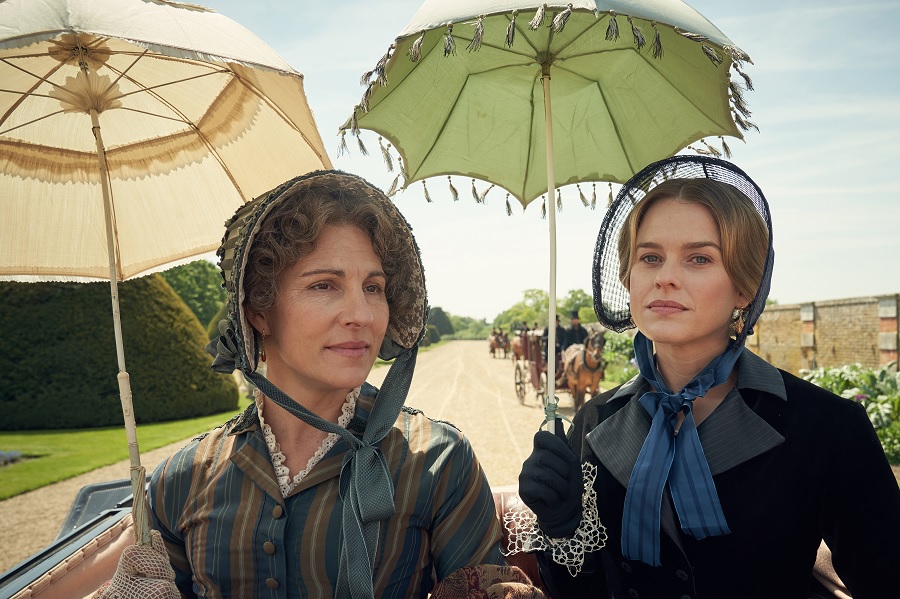
The Trenchards could afford the trappings of the upper class but were not truly accepted among them

The Trenchards had the money – and even the land – to imitate the trappings of the upper class.  But everyone knew how they’d got it.

Working for a living was dirty.  Gentleman didn’t have to.    Younger sons of landowner may have needed an income.  They would find prestigious employment in the church or the army.  At a push, the legal profession might be acceptable.  But trade was unbecoming.  Despite its lucrative rewards.

But all was not lost for the Trenchards.  The upper classes had a short memory.  By the early Victorian era, very few of them truly had pedigree from the high nobility.  Their forefathers had, once upon a time, treaded the path of social progress.  If the Trenchards were able to lose the ‘taint of trade’ they would be accepted as part of the gentry in a generation or two.

Setting Oliver free from the business and dispatching him to the country, as happened in the last episode, is no insult.  By the time his ‘child’ reaches adulthood, there would be clear blue water between him and his grandfather’s business.  He might finally be embraced as a gentleman.

This process was probably more subtle and fluid than I have sketched out above.  You can see hints of it in the literature of the era.  Austen’s Mr Darcy was keen to keep his friend Bingley from marriage to a Bennett girl.   Jane’s family were on the fringes of the gentry. Their behaviour reinforced their modest status.  Darcy could get away with marrying down.  He was from the top-tier of the landed class.  But Bingley had come up only recently.  He was trying to lose the ‘taint of trade’ and needed to cover his blemishes with the best marriage possible. 

None of this knowledge is important.  The character inter-play, gripping narrative and beautiful production all speak for themselves. 

But when you do know your stuff, the more you can appreciate just how well written and researched a series Belgravia is.

Subscribe to our newsletter!
Posted in <a href="https://www.royalhistorygeeks.com/category/fiction/" rel="category tag">Fiction</a>, <a href="https://www.royalhistorygeeks.com/category/queen-victoria/" rel="category tag">Queen Victoria</a>, <a href="https://www.royalhistorygeeks.com/category/royal-titles/" rel="category tag">Royal titles</a> Leave a comment

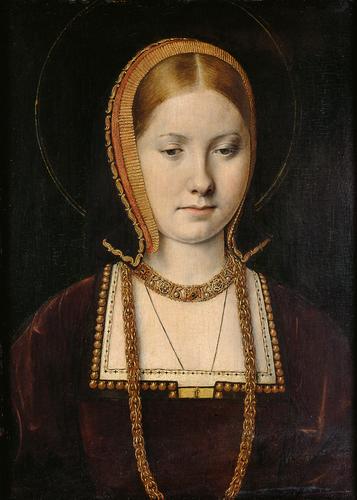
WATCH: Was Katherine of Aragon a virgin when she married Henry VIII?

A crisis of conscience led Henry VIII to question the validity. of his first marriage. His wife had once been married to his brother. But Katherine swore her marriage to Arthur, Prince of Wales had never been consummated.

At a distance of 500 years, is it possible to determine the truth of this deeply personal matter?

Subscribe to our newsletter!

Posted in <a href="https://www.royalhistorygeeks.com/category/katherine-of-aragon/" rel="category tag">Katherine of Aragon</a>, <a href="https://www.royalhistorygeeks.com/category/tudor/" rel="category tag">Tudor</a> 5 Comments

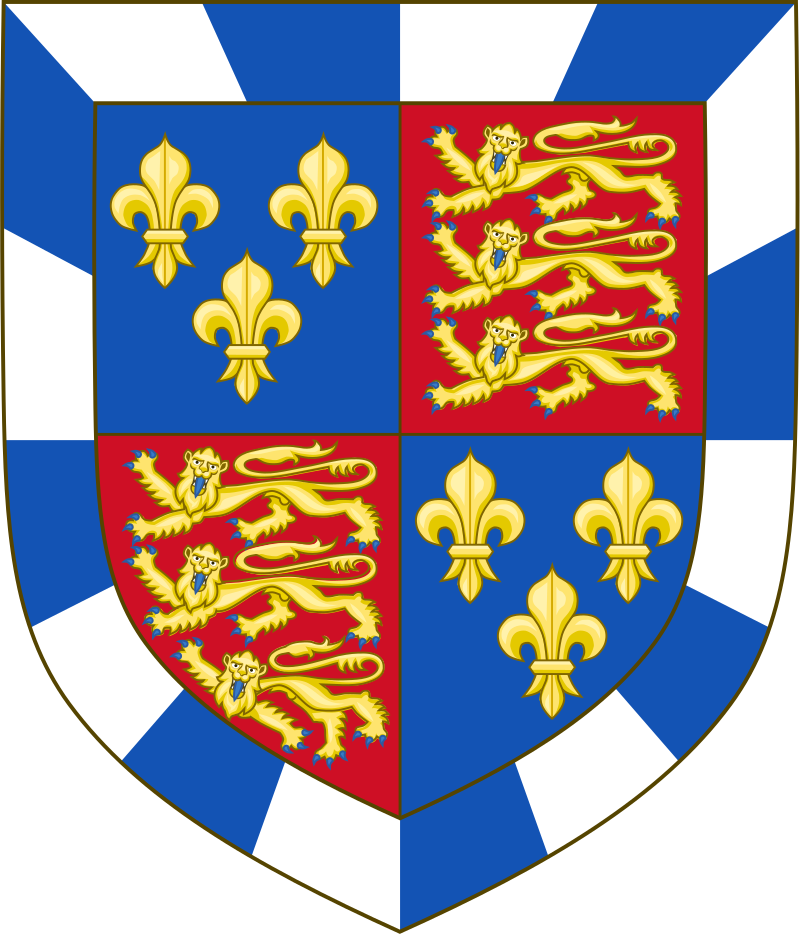
The house of Beaufort – a family in Lancastrian favour

Favouritism could be the downfall of a medieval king.  But a measured and sustained favouring of the Beauforts by their Lancastrian kin drew the family into the centre of England’s nobility.

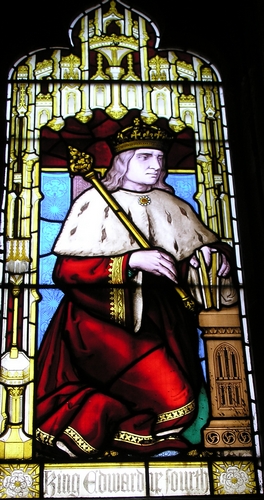
When Edward IV usurped the throne in 1461, he made both his brothers dukes.  Huge landed estates were bestowed on each of them.  As they grew up, he drew them deeper into the governance of the realm.

At first, glance, this contrasts sharply with the actions of that other famous usurper, Henry IV.  When he seized the throne in 1399 his brother, John Beaufort was reduced in rank from Marquess of Dorset to Earl of Somerset.  At no single point was a major land endowment offered.  The king even went out of his way to proclaim that descendants of his Beaufort kin could never be contenders for the crown.

Was it something they said?

But these isolated instances distort the truth.  Under the house of Lancaster, the Beauforts reached the summit of society. 

The advancement of the Beauforts began under Richard II. But it accelerated under the house of Lancaster

As Royal History Geeks will know, the Beaufort family finds its origins in the birth of John in 1374.  The illegitimate son of John of Gaunt and his mistress, Katherine Swynford was soon joined by three siblings.

As children of the richest man in England and grandchildren of Edward III, the lives of the first Beauforts were never going to be ordinary.  But as bastards, their prospects were unlikely to be great.  Their parents eventually married and the Beauforts’ were legitimisation in the 1390s.  But few could have predicted how the dynasty would become interwoven with the politics of the following century.

The advancement of the Beauforts has its roots in the reign of Richard II.  But it reached a new level when their half-brother usurped the throne as Henry IV.

The best example of how advanced the Beauforts were by their Lancastrian kin is their rapid acquisition of land.  By the end of the 1440s they were the dominant landowners in Somerset and a major landed player in the Westcountry.  Just 50 years before, they didn’t own a single square meter in the county.

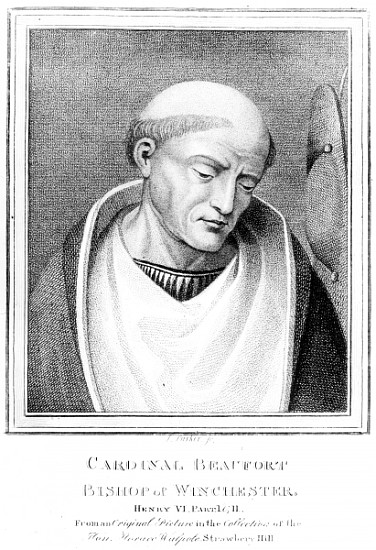
Bishop Beaufort served as his half-brother’s Lord Chancellor

It isn’t just the speed and volume of land acquisition that’s significant.  It’s the location.  In the late medieval period, landowners were desperate to consolidate their landholdings in an individual country.  It cemented their Lordship.  But kings were determined to frustrate such ambitions.  The idea of nobles building unwieldy regional power bases did not appeal.  When large estates were granted, they were typically regionally disparate.

In consolidating their power in Somerset, the medieval historian Chris Given-Wilson notes that the Beauforts enjoyed their share of luck.  But such a speedy consolidation would not have been possible without royal support.  The Lancastrian Kings had significantly bent the rules for the advancement of the Beaufort relatives.  As a mark of high favour, this cannot be underestimated.

From the earliest days of Henry IV’s reign, it was clear that the Beauforts were a family in favour.  John was constantly in his brother’s company.  He held high and lucrative offices such as the Captaincy of Calais.  Henry Beaufort served as Lord Chancellor.  Joan remained a countess though many had expected her husband to be reduced in rank.  The young Thomas was set on a path of advancement that would one day see him become Duke of Exeter.

But why, if the family were in favour, did it take three generations for their advancement to truly be cemented.  The answer lies in the very real constraints that bound medieval kingship – or at least should if a king were to be successful.

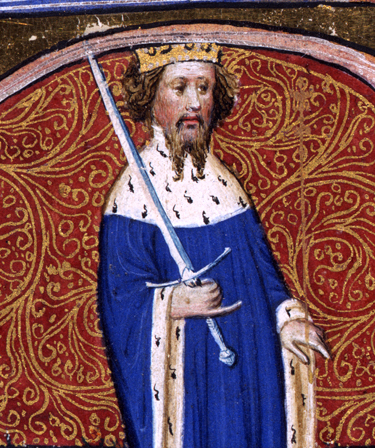
As a usurper, Henry IV had to be particularly careful about favouritism

It’s tempting to think of medieval kings as absolute despots with the power to dispense patronage as they see fit.  History, however, had taught all kings to be cautious.  All, that is, but the most foolish.

Extreme favouritism made a king vulnerable.  When a lesser man was plucked out of nowhere and rapidly raised above the nobility of the day, the political order was in danger of collapse.

This was not simply because such actions ruffled the feathers of proud aristocrats.  It was because extreme favouritism undermined the whole system of lordship on which the government in medieval England was predicated.

A lord built his power base on the land he held and the ‘affinity’ he was able to build in the shires and counties in which he was a major landholder.  If land was given to an unworthy favourite, there was less for the established nobility.

But the problem went deeper than that.

A lord’s affinity in counties and shires where they were dominant (their ‘countries’ as they called them) depended on an unwritten, but very real code.  If the gentry and players of that community would honour the lordship of the major landowner, that Lord would, in turn, act in their favour.  It was never as crude as a quid-pro-quo.  But through his access to the King, a lord could obtain justice, maintain order and open up possibilities for advancement. 

For all of this, a lord needed the ear of the king.  And to be perceived as having the ear of the king.

This was a reasonable expectation.  The nobility was the ordained body with whom the King should socialise, fraternise and consult.  But in a time when favourites had come to prominence, the natural order of things was distorted.  If a King was beholden to the advice of his favourites – government by clique – what confidence could people have that the nobility were listened to?  A Lord was at risk of losing his affinity.  Collectively, this is something the nobility were unlikely to suffer for long.

All Kings were mindful of this.  And none more so than Henry IV.  He had had just overthrown a King renowned for favouritism.  He was likely to be extra sensitive to it.

None of this means King’s didn’t have favourites.  Edward IV had William Hastings.  Henry VII advanced his stepfather.  But for favouritism to be tolerated, it had to be measured, moderate and gradual.  This was the policy that Henry IV would pursue with his Beaufort kin.

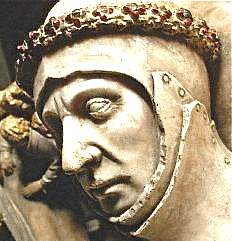
John Beaufort was a constant companion of his half-brother, the King

I began this post by contrasting the Beauforts with the siblings of Edward IV.  But really that’s like comparing apples and oranges.  The house of York claimed to be the senior descendants of Edward III.  The late duke of York had been recognised as rightful king of England.  Edward IV’s brothers were treated as sons of a king.  A dukedom was their birth right.

In 1399, however, Henry IV had (rather spuriously) claimed the throne through his mother.  The status of his paternal half-siblings remained unaffected.

Besides, the Beauforts never really lost the taint of bastardy.  Once they were legitimised the nobility welcomed them to their ranks.  But they were never really accepted as royalty.  

Good kings acted within the constraints of certain expectations.  For a usurper like Henry IV to survive, patronage had to be used sparingly and strategically.  That measured and sustained favouritism was focused on the Beauforts.  In the dark days of the Wars of the Roses, that constant favour would be repaid in full.

Subscribe to our newsletter!
Posted in <a href="https://www.royalhistorygeeks.com/category/beaufort/" rel="category tag">Beaufort</a>, <a href="https://www.royalhistorygeeks.com/category/lancaster/" rel="category tag">Lancaster</a> Leave a comment

Could Margaret Beaufort’s parents have been a rare example of a medieval love match?

John, duke of Somerset was a ‘Lancastrian prince’ who married beneath him. Was this an act of passion or were more pragmatic considerations in mind?

I’m going to let you into a little secret.  At heart I’m a romantic.  I think most Royal History Geeks are.

When I’m delving into the tales of England’s history, the personal lives and misadventures of those who shaped it always spark my curiosity.  I’m as interested in them as I am the political, military or dynastic significance of their actions.

So as you can imagine, my sense of intrigue goes into overdrive when I think I’ve discovered that rare thing: a genuine medieval love match.

For a time I thought I had found just that in the union of John Beaufort, Duke of Somerset and Margaret Beauchamp.  Could it be that the parents of Margaret Beaufort and grandparents of Henry VII had married for love?

Let’s review the facts.  John Beaufort moved in the upper reaches of nobility.  He considered himself a Lancastrian prince.  His status was high and he was in search of a fortune to match.  The Earl of Somerset (as he then was) wanted to enter the league of the great landowners of the realm like York and Buckingham.  And he also had a staggering ransom to pay off.

Like all the Beauforts, John was proud of his Lancastrian heritage and looking to join the ranks of England’s major landowners

Margaret Beauchamp was no slouch.  She was from the top tier of the gentry and a landowner in her own right.  But she was no aristocrat or major heiress.  Besides, she already had children from a previous marriage.  While her lands were not insignificant, they were unlikely to be inherited by a Beaufort descendant.

If money could not be the reason for their match, could the motivation have been more tender?

As I further explored the story of the pair, the tale of love seemed to continue.  Ahead of setting off to war, John negotiated that should he die, his wife would retain the wardship of their then-unborn child.  He was ensuring that mother and child would not be separated.  Surely that can only be interpreted as an act of affection?

It was a wonderful thought.  Sadly, it was one not informed by the realities of the time.

To a true Royal History Geek, there’s no such thing as too much research.  Every facet of context we can absorb illuminates another piece of the picture we are trying to build.  But I would have to concede that when you delve deeper and deeper into the economic and political structures of the day, you must prepare for romantic notions to be shattered.

With children from a previous marriage, Margaret’s modest fortune was unlikely to be inherited by any Beaufort descendent

John and Margaret are a case in point.

Elizabeth Norton was the first writer to set me straight on John and Margaret’s union.  Margaret may not have been the sort of wife that a man of Somerset’s stature had dreamt of.  But she was probably the best catch available.  Having been imprisoned in France for 20 years, most of the prized brides of his generation had already been snapped up.  Margaret, with her modest inheritance, could at least contribute something financially while he tightened his belt to pay off his ransom.

But what about Somerset’s negotiation with the King that his wife should keep their child’s wardship?  Surely that could still be significant.

Significant it certainly was.  But it’s probably not wise to interpreted it as an act of love.

Instead it should be understood as an attempt by the (by then) Duke of Somerset to protect the inheritance of his heir.

Had Somerset died while his child was a minor it would have created a ‘feudal incident’.  And these were what 14th century landowners feared above all else.

As Somerset held land directly from the King, Henry VI would have assumed responsibility for the young child.  He would have granted his or her ‘wardship’ to someone currently in his favour.  For the duration of the child’s minority, their ‘guardian’ would have taken responsibility for the Beaufort lands – and received all associated revenues.  Crucially, whoever held the child’s wardship would control their marriage.  He could literally sell it to the highest bidder.

Somerset, like all wealthy landowners, feared his estate falling victim to a ‘feudal incidents’

The child’s guardian could not deprive the heir permanently of their lands.  But they could manage the estate in a way that would maximise short term revenue at the expense of responsible stewardship. 

They could also try and ‘asset strip’ the estate by granting facets of land out to trust.  This might prevent the heir from coming into the fullness of their revenue when they came of age.  Such measures could be challenged legally.  But it represented a clear risk to the child’s long-term best interests. 

In the possible event of his early death, who could Somerset really trust to act in the best interest of his heir?  Even his younger brother would have looked jealously upon the Beaufort lands that the offspring had inherited.  Quite simply, only his duchess would possess a real interest in careful stewardship of the Somerset estate.  Only Margaret could have been trusted to negotiate the best possible marriage for their child.  And it is for these more economic and dynastic reasons, that the Duke would have been so keen to ensure that wardship fell to her.

By negotiating for Margaret Beaufort’s mother to hold her wardship, Somerset was protecting the Beaufort lands. When the time came, this arrangement would not be honoured.

Of course, none of this is evidence that the pair weren’t a love match.  It could be argued that attempting to secure the wardship for his wife was still an act of consideration, if not affection.  It could also be read as a mark of respect.  Unlike most women of the day, Margaret had experience as a landowner.  She had demonstrated the competence to look after her child’s affairs.

A romantic streak is an asset to anyone exploring the stories of our forebears.  It sparks our interest and encourages us to dig a little deeper.  However, if our first commitment is to the facts of history, we must always be prepared to revise our romance when our understanding of the era deepens.

Posted in <a href="https://www.royalhistorygeeks.com/category/beaufort/" rel="category tag">Beaufort</a>, <a href="https://www.royalhistorygeeks.com/category/lancaster/" rel="category tag">Lancaster</a>, <a href="https://www.royalhistorygeeks.com/category/margaret-beaufort/" rel="category tag">Margaret Beaufort</a> Leave a comment

WATCH: Could Edward IV have been illegitimate?

Could York’s proudest son have really been the child of a French archer?

Edward IV faced rumours in his own time that he was not a legitimate Plantagenet.  More recently, historians have raised questions around the circumstances of his conception and birth.

In this video, I outline why I do not believe claims of Edward’s illegitimacy bear scrutiny.

I am indebted to a blog post by Trish Williams on the History Files.  This post did not fundamentally change my view and I was already aware of the most of the information in contains.  However, I had not previously appreciated that the Earls of Oxford and Ormonde/Wiltshire had been in France with the Yorks in 1441.  This information is significant and a game changer in discrediting the rumours that surfaced in 1469.

Subscribe to our newsletter!
Posted in <a href="https://www.royalhistorygeeks.com/category/uncategorized/" rel="category tag">Uncategorized</a> Leave a comment

The staggering wealth of Margaret Beaufort


The young Margaret of Somerset became the greatest heiresses of her era; but her phenomenal wealth made her a pawn to politics.

I’m hardly the first Royal History Geek to be fascinated by Margaret Beaufort.  The matriarch’s struggles, hardships and triumphs are the things that epics are made of. 

A widowed mother at 13.  A fifth column in the final days of the Yorkist regime.  Against all the odds, her valiant efforts put her descendants on the throne.  They’ve remained there ever since.

But even before the Wars of the Roses broke out, Margaret was a figure of note to contemporaries.  Thanks to the early tragedy of her father’s death, the young Margaret inherited the bulk of the Beaufort fortune. 

But just how wealthy was the young Margaret of Somerset?  Did her wealth place her among the upper reaches of England’s nobility?  Had she been a man, would her fortune have made her a major military player in the dynastic wars that dominated her life?

As so often with Margaret Beaufort questions, we must turn to the academic study by Michael K Jones and Malcolm G Underwood.  In these pages, the young heiresses’ lands are explored in detail.  Thanks largely to the fortune of her late grandmother, who was co-heiress to the earldom of Kent, by 1450 it was clear that Margaret wielded a fortune of approximately £1000 a year.

On its own, this doesn’t tell us much.  Such a figure would be no great income today.  How far did a grand go in the 1450s? 

WATCH: my video discussing the wealth of Margaret Beaufort

To get some sense of an answer we must wind the clock back to seven years before Margaret’s birth.  Ahead of a new tax to fund the war with France, all landowners were assessed and their annual income calculated.  The findings have come down to us.

If Margaret were alive in 1436 and in possession of her fortune, she would have ranked among the top 20 landowners.  Given that there were about 60 titled families at any one time, this placed Margaret in the upper-third of noble society.  Those with lands to the value of £25 a year were deemed wealthy enough to tax.  Margaret’s income was 40 times that sum.

However, we need to be very, very careful about this.  Seven years is a long time.  Income from land was subject to the stewardship of the landlord and, at least to some extent, market forces. 

Furthermore, it’s clear from other evidence that the rich then – like the rich today – had gone to some length to disguise the extent of their wealth. 

As an indication however, it remains illuminating.  Chris Given-Wilson, the great late-medieval historian, estimates that an earl would typically enjoy £1000-1500 a year.  This is clearly the category that Margaret was in.  Nonetheless, money was not always so logically linked to title.  Some earls – such as Devon, Westmoreland and Suffolk – seemed to have less.  Some could claim considerably more.  There were also a handful of wealthy barons who enjoyed fortunes greater than some earls.

Margaret, however, did not have an income worthy of a major power broker.  If we take numbers from the 1436 list, add together the various titles and estates that were consolidated in the late 1430s and 1440s, we get a sense as to who the major players were at the beginning of the Wars of the Roses.  

The Duke of Buckingham enjoyed almost £3000 a year, the Duke of York £3500 and the mighty Earl of Warwick £4,400.   As stated earlier, these figures should be taken as conservative.  Studies on the Duke of Buckingham for example, suggest his income was double this sum – at least in some years.   

At the beginning of the Wars of the Roses, the Earl of Warwick was probably the richest noble in the land

Margaret’s wealth was both extraordinary and unremarkable.  What made it so significant was her sex.  It was unusual – thought not unique, even in her own time – for a woman to be in sole possession of such a staggering sum.  And that staggering sum, of course, was up for grabs by a future husband.

Under the common law of primogeniture, women would only inherit a parent’s fortune if they were devoid of a brother.  The eldest son would typically inherit the lot.  But when there was more than one daughter (and no son) the girls had to share it out equally.

Great landowners hated the idea of daughters inheriting.  This was not out of pure misogyny.  They loathed the thought of their estates being divvied up among daughters and used to bolster the ambitions of the lesser Lords their girls would marry.  As a result, many deployed legal devises – such as entails – to block female inheritance. 

For whatever reason, the Beauforts never deployed such a devise.  As her father’s sole surviving legitimate child, Margaret’s status as a major heiress was established within the first two years of her life.

Money was important to Margaret.  When her son seized the throne, she would be granted plenty more of it.  But this early fortune would lead to trauma.  Before she was seven years old, she was abandoned to the machinations of the medieval marriage market.  Her money, along with her trickle of royal blood, made her a pawn of politics from her earliest years.

Thank goodness that the matriarch of the Tudors was a born survivor.

Subscribe to our newsletter!
Posted in <a href="https://www.royalhistorygeeks.com/category/thoroughlyresearched/" rel="category tag">#ThoroughlyResearched</a>, <a href="https://www.royalhistorygeeks.com/category/beaufort/" rel="category tag">Beaufort</a>, <a href="https://www.royalhistorygeeks.com/category/margaret-beaufort/" rel="category tag">Margaret Beaufort</a>, <a href="https://www.royalhistorygeeks.com/category/plantagenet/" rel="category tag">Plantagenet</a>, <a href="https://www.royalhistorygeeks.com/category/tudor/" rel="category tag">Tudor</a>, <a href="https://www.royalhistorygeeks.com/category/uncategorized/" rel="category tag">Uncategorized</a>, <a href="https://www.royalhistorygeeks.com/category/wars-of-the-roses/" rel="category tag">Wars of the Roses</a> Leave a comment

WATCH: Mother-in-law from Hell? What was Margaret Beaufort’s relationship with Elizabeth of York really like?

Even before the ‘White Princess’ TV series, Margaret Beaufort was remembered as the mother-in-law from Hell. But does she really deserve this reputation? Check out my thoughts on the reason why Margaret was so much at court in the early years of Henry VII’s reign. What do you think?

Subscribe to our newsletter!

Posted in <a href="https://www.royalhistorygeeks.com/category/uncategorized/" rel="category tag">Uncategorized</a> Leave a comment

Harry, Meghan and HRH

The Queen’s announcement that the Duke and Duchess of Sussex will cease using the style His/Her Royal Highness has taken many by surprise.

Recently, the folks at CNN have published a piece stating that while the couple will not use the style, the Queen has not formally revoked it. 

This is true.  However, the rest of the piece shows how little the history and the use of the style is understood.  Because the article contains errors which seem to be widespread, I wanted to take a moment to correct the inaccuracies in the piece.

This blog post is not intended as a criticism of the journalist or the people who have been sharing the piece on social media.  Royal titles are complicated and opaque.  Rules have not been followed consistently throughout history.  They largely emerge from established custom and have not been logically or systematically developed.  I have been studying them for many years and thought it might be helpful to clear a few things up.

CNN claim: it’s entirely unprecedented for a monarch to ask her own grandchild to drop their title

This is probably technically true.  However, it is not unprecedented for royal grandchildren to stop using them.

When Princess Patricia of Connaught – granddaughter of Queen Victoria – married in 1919 she stated her wish to relinquish the style of Royal Highness and the title of Princess of Great Britain and Ireland.  Her cousin, George V, issued a Royal Warrant relieving her of the title and allowing her to be styled as Lady Patricia Ramsay with precedence before Marchionesses.

CNN claim: since the early 18th century it’s been customary for the title to be issued to sons and grandsons (and later, daughters and granddaughters) of the monarch.

It is certainly true that prior to the mid-1800s the use of the style was used inconsistently.  However, I cannot find any evidence that it was given to male descendants prior to their female counterparts.

It’s probably worth pausing here to quickly review the history of ‘Royal Highness.’  The best work on this is an academic study by Ann Lyon, but you have to pay to get it.  Hopefully, my more workman-like run through will suffice.

  • From the late 1600s until 1714 the style of ‘Royal Highness’ was used sporadically but inconsistently for senior Royals.  There doesn’t seem to be any detectable pattern or method behind its use.
  • With the Hanoverian succession of 1714, the Germanic practice of children and other male-line descendants of the King being called ‘Princes’ and ‘Princesses’ was cemented.  Generally, children of the King were styled as ‘Royal Highness’ although at times this was interchangeable with ‘Highness’.
  • By the time Queen Victoria came to the throne, it was fully accepted that children of the sovereign were styled ‘Royal Highness’.  However, male-line grandchildren were styled ‘Royal Highness’ and ‘Highness’ interchangeably.
  • As Queen Victoria’s family started to expand, people decided to actually sit down and think about the use of Royal style.  In 1864, the Queen issued letters patent clarifying that all children and male-line grandchildren of the sovereign were styled ‘Royal Highness’ with the titular dignity of Prince or Princess prefixing their Christian name or other titles.  These letters patent heavily imply that all other male-line descendants of a sovereign are styled as ‘Highness.’
  • When foreign Princes who were due to marry one of Queen Victoria’s daughters and reside in the UK, the Queen granted them the style of ‘Royal Highness’ if they did not already posses it.  It was also granted to her own husband, Prince Albert.
  • As a result of the ambiguity around the style of latter generations, George V had to deal with a number of requests from male-line great and great-great grandsons of British princes – now living overseas – who wanted to be clear on what their British style was.  Individual letters patent were issued to clarify that they were Princes of Great Britain and Ireland with the style of ‘Highness’.
  • Perhaps fed up with these requests, at around about the same time as he changed the name of the Royal House to Windsor, George V issued further letters patent to further clarify the Royal style.  The use of Royal Highness was extended slightly to cover the eldest son of the eldest son of the Prince of Wales and the style of ‘Highness’ was effectively discontinued.  This meant that male-line descendants of a sovereign would cease to use the title Prince / Princess after two generations.
  • Ahead of the birth of Prince George, the Queen further extended the style of ‘Royal Highness’ and the title of Prince/Princess to all children of the eldest son of the Prince of Wales.

CNN: HRH is bestowed upon royal members at the discretion of the monarch at the time, but was used liberally until World War I.

This is not true.  As we have seen from the above, Queen Victoria clarified the use of HRH in 1864 and it was clearly restricted to two generations.

CNN claim: in 1917, George V restricted how many minor royals were getting the title – at a time when there was public suspicion about the German origins of the House of Windsor, speedily renamed that year from the House of Saxe-Coburg and Gotha.

Not true.  As we have seen, George V slightly expanded the use of the HRH style.  He did, however, heavily curtain the use of the Prince / Princess title and all but eliminated the style of ‘Highness’.

CNN claim: Queen Elizabeth II has loosened those guidelines, giving HRH status to a number of senior royals.

Not really.  The only extension she has made was to ensure the style went to all children of the eldest son of the Prince of Wales.  Without these changes, only George would have been an HRH.  The younger two would currently be known as Lady Charlotte Mountbatten-Windsor and Lord Louis Mountbatten-Windsor.  However, they would have obtained HRH upon Charles’s succession.

CNN claim: They’ve agreed to be known as Harry, Duke of Sussex and Meghan, Duchess of Sussex.

Have they?  I’ve seen this a lot on social media, but I can’t find any evidence for it.

If one is the holder of a peerage than using first names with titles is highly irregular.  There are plenty of Dukes who are not Royal.  For example, the Duke and Duchess of Devonshire are known as just that.  Not Peregrine, Duke of Devonshire and Amanda, Duchess of Devonshire.

In reality, when involved in commercial work, I suspect that the couple will do what most peers do and use their title as a surname.  So, if the Duchess stars in a film, she will probably be credited as ‘Meghan Sussex.’  In the same way, the current Earl of Snowdon trades as ‘David Linley’, because prior to his father’s death his title was Viscount Linley.

The truth is, we’re not clear on how this is going to work yet.  I assume – although may be wrong – that when they do come to big Royal events, such as Charles’s coronation, they will still use HRH.

CNN claim: today, children and grandchildren of the monarch traditionally get the HRH title – though it was historically withheld from granddaughters

As explored above, I cannot find any evidence for this.  If anyone knows where this has come from, or if I have missed anything, please let me know.

CNN claim: Not everyone has accepted the offer of an HRH. Princess Anne, the Queen’s daughter, declined the title for her own children, Peter and Zara. That’s in contrast to Prince Andrew, who allowed his daughters, Beatrice and Eugenie, to carry it.

This is commonly stated but is not true.  Anne’s children were never entitled to HRH.  As you’ll see from above the title goes to children and male-line grandchildren of a sovereign.  This follows the usual pattern that a child takes their style from their father unless their mother has a hereditary title.

The only way that it could be argued that Anne ‘chose’ for her children to be untitled is that it is almost certain that her first husband – Mark Philips – was offered an Earldom upon marriage.  Had he accepted it, then Peter would be known as Viscount Something (Earls typically have two titles and the eldest son is known by the lesser in his father’s lifetime) and his sister as Lady Zara Tindall.

CNN claim: Kate and Megan were both were awarded the HRH title by the Queen after they married Princes William and Harry, respectively. But those who marry royals who aren’t as high in the line of succession may miss out. Jack Brooksbank, for instance, did not get the title when he married Eugenie, even though she is an HRH.

This is a total misunderstanding.  Under British common law, a woman becomes the feminine of everything her husband is.  So whoever HRH Prince Michael of Kent marries becomes HRH Princess Michael of Kent. 

However, women cannot communicate precedence, title or styles to their husbands, hence why Eugenie’s husband is untitled.  It has nothing to do with their place in the succession.  Hope this helps clears a few things up!

Posted in <a href="https://www.royalhistorygeeks.com/category/uncategorized/" rel="category tag">Uncategorized</a> Leave a comment

The Duke and Duchess of Sussex – it’s in the running but not a done deal!

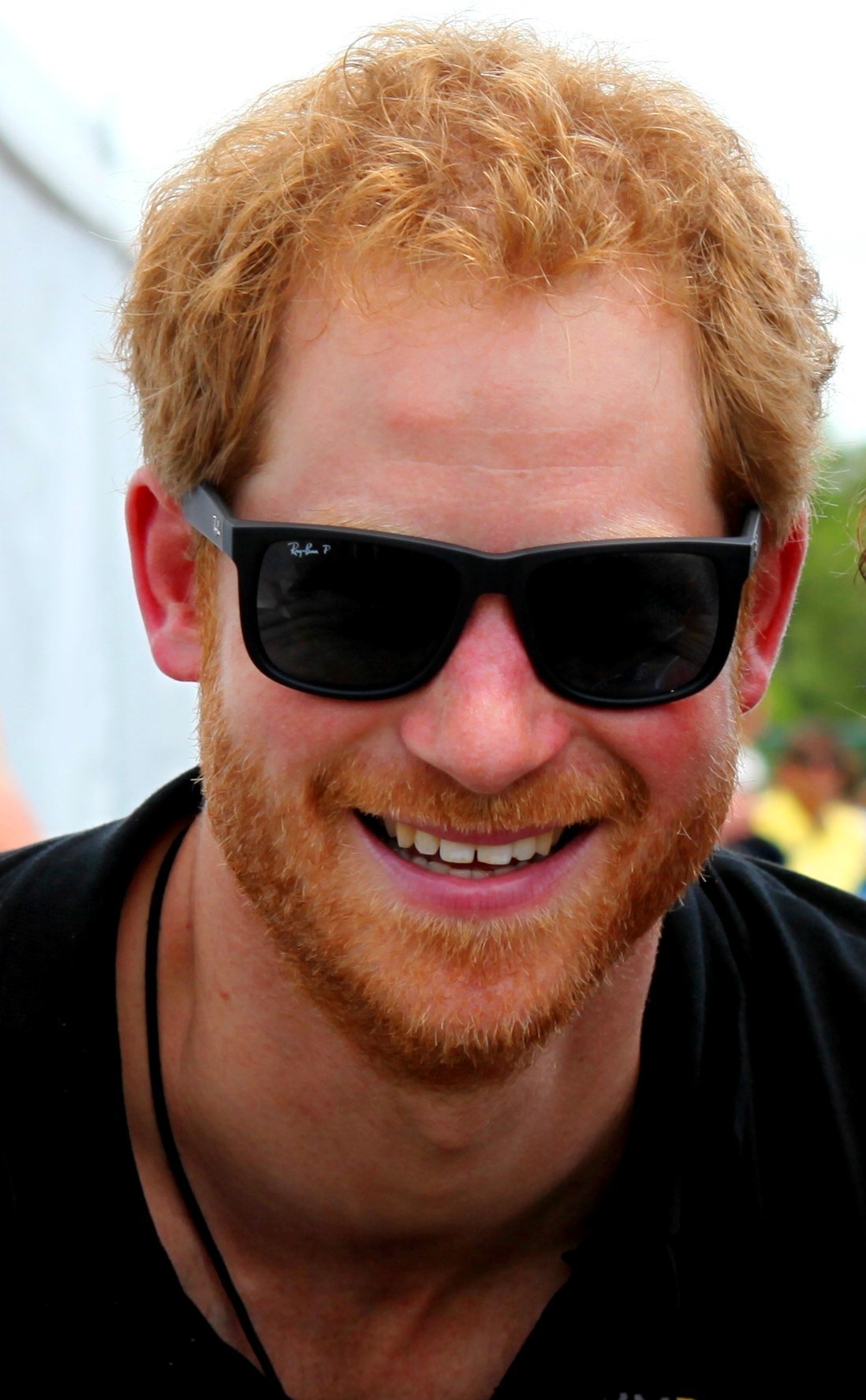
Credit: U.S. Marine Corps Photo by Capt. Andrew Bolla

A few years ago – before I even knew the name ‘Meghan Markle’ – I penned a post exploring what titles any future wife of Prince Harry and their children might possess.  By some margin, it’s had more hits than anything else I’ve ever written.

In the post, I stated my hunch – and it really was just a hunch – that upon marriage Harry would be created ‘Duke of Sussex’, a title he is rumoured to desire.

Perhaps I have more influence than I think.  When the joyous news of the couple’s engagement was released, some media outlets were reporting as near certainty that America’s Meghan Markle would be transformed into Sussex’s Duchess upon marriage.

There are a number of logical reasons for thinking this.  Most of the Dukedoms previously used for royalty are occupied and those that remain – such as Clarence – seem too tainted to touch.

But I still think that our popular media has jumped the gun.  Let’s look at the other alternatives Her Majesty is presented with:

  • A new Dukedom could be invented – By tradition, only Dukedoms that have previously been wielded by a Royal are bestowed on a Prince. But it’s only a tradition.  Perhaps a new location will be honoured.  Duke of London?  Duke of Glasgow?  All are possible.  True, Her Majesty is more traditionalist than innovator – but she broke all the ‘rules’ when she made her third son Earl of Wessex.
  • Harry could become ‘Duke of York in waiting’ – the monarch’s second son – which Harry will one day be – is traditionally created Duke of York. Clearly this cannot happen while Prince Andrew lives, but it should be noted that he has no son to succeed him.  Perhaps Harry could have an Earldom bestowed upon marriage with the promise that he would one day become Duke of York when the title is vacant.  This would mirror what happened with Prince Edward who will one day assume the title of Duke of Edinburgh.
  • Harry might get no title at all – I don’t think this is likely. But as far as I know, no monarch has previously been in the position where he/she needed to give two of grandsons peerages (George V’s brother was dead by the time George was made Duke of York).  She might decide that it’s for Charles to dish out his second son’s title when he eventually gets the throne.  She was, after all, quite happy to leave two of her cousin’s wives with the clumsy sounding styles of Princess Richard of Gloucester and Princess of Michael of Kent.  Perhaps Meghan will simply be HRH Princess Henry of Wales.  Stranger things have happened…

For what it’s worth, I still think Dukedom of Sussex is going to be the one that lands.  I’ve read rumours that Harry has always wanted it (I have no idea if they’re true) and it seems that Her Majesty does take personal wishes into consideration.  But to report it as a done deal – like so much of our media has (and don’t even get me started on the American press) is just continuing the trend of lazy journalism that bombards conversation on these topics.

So much of what I discuss on this site can never be truly known.  The great thing about this subject is that it’s only a matter of months before time will tell…

Posted in <a href="https://www.royalhistorygeeks.com/category/elizabeth-ii/" rel="category tag">Elizabeth II</a>, <a href="https://www.royalhistorygeeks.com/category/prince-harry/" rel="category tag">Prince Harry</a>, <a href="https://www.royalhistorygeeks.com/category/royal-title/" rel="category tag">Royal title</a>, <a href="https://www.royalhistorygeeks.com/category/royal-titles/" rel="category tag">Royal titles</a>, <a href="https://www.royalhistorygeeks.com/category/windsor/" rel="category tag">Windsor</a> Leave a comment

Friends, rivals, enemies? The relationship between Margaret Beaufort and Elizabeth Woodville


With the ‘White Princess’ currently broadcasting in America it’s important to take a more balanced look at the relationship between the so called ‘Red Queen’ and ‘White Queen.’

Being UK based I haven’t actually seen the ‘White Princess’ so I’m basing any comments on the book and what American friends have reported.

Sorry about the length and quality.  Am working on my skills!

Subscribe to our newsletter!

Posted in <a href="https://www.royalhistorygeeks.com/category/digalittledeeper/" rel="category tag">#DigALittleDeeper</a>, <a href="https://www.royalhistorygeeks.com/category/beaufort/" rel="category tag">Beaufort</a>, <a href="https://www.royalhistorygeeks.com/category/edward-iv/" rel="category tag">Edward IV</a>, <a href="https://www.royalhistorygeeks.com/category/elizabeth-woodville/" rel="category tag">Elizabeth Woodville</a>, <a href="https://www.royalhistorygeeks.com/category/henry-vii/" rel="category tag">Henry VII</a>, <a href="https://www.royalhistorygeeks.com/category/lancaster/" rel="category tag">Lancaster</a>, <a href="https://www.royalhistorygeeks.com/category/margaret-beaufort/" rel="category tag">Margaret Beaufort</a>, <a href="https://www.royalhistorygeeks.com/category/plantagenet/" rel="category tag">Plantagenet</a>, <a href="https://www.royalhistorygeeks.com/category/princes-in-the-tower/" rel="category tag">Princes in the Tower</a>, <a href="https://www.royalhistorygeeks.com/category/richard-iii/" rel="category tag">Richard III</a>, <a href="https://www.royalhistorygeeks.com/category/wars-of-the-roses/" rel="category tag">Wars of the Roses</a>, <a href="https://www.royalhistorygeeks.com/category/york/" rel="category tag">York</a> 2 Comments